Unknown's avatar

Dagshai Jail Museum


Dagshai Jail Museum

Dagshai Jail Museum


A British era jail used as a  dump yard post independence, was converted into a museum in 2011. It is also unique in that it is only the second of its kind in India, the first being the Cellular jail in the Andamans

Dagshai jail, set up in 1849 has played host to several shades of soldier convicts. Gorkha soldiers of the Nasiri Regt (1857), revolutionaries from the ship ‘Komagatamaru’ (1914), 12 Indian soldier – sympathizers of the Ghadar movement (1915) & Irish Catholic soldiers of the ‘Connaught Rangers ‘who mutinied against their British officers (1920).

James Daly the best known of them all was executed here.

When Mahatma Gandhi visited Dagshai to meet with Irish mutineers he had stayed in a cell inside the jail. Legend has it that his assassin Nathuram Godse too was briefly incarcerated here before being taken for trial to the High Court in Simla.

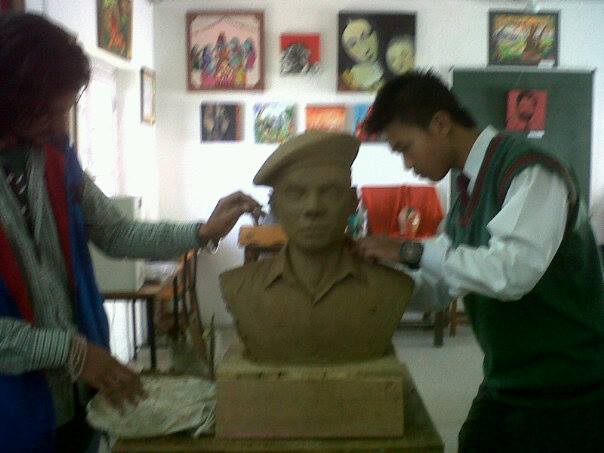
Bust:Maj.Udai Singh

prototype of the bust

Distinguished Alumni In progress art work.  APS Dagshai

Distinguished Alumni
In progress art work.
APS Dagshai

The museum is the brainchild of its curator Dr. Anand Sethi, a local resident who researched & contributed most of the exhibits including archival photographs from his private collection. A prized display is a pair of bellows that were used by iron smiths to make chains and handcuffs. Its museum value 50,000 pounds today. More material continues to be sourced from Ireland, UK & Nepal.

Dr Sethis’ initiative fortunately, was complemented by the vision & foresight of the then Brigade commander Brig Ananth Narayanan. The army has since been closely involved with the project
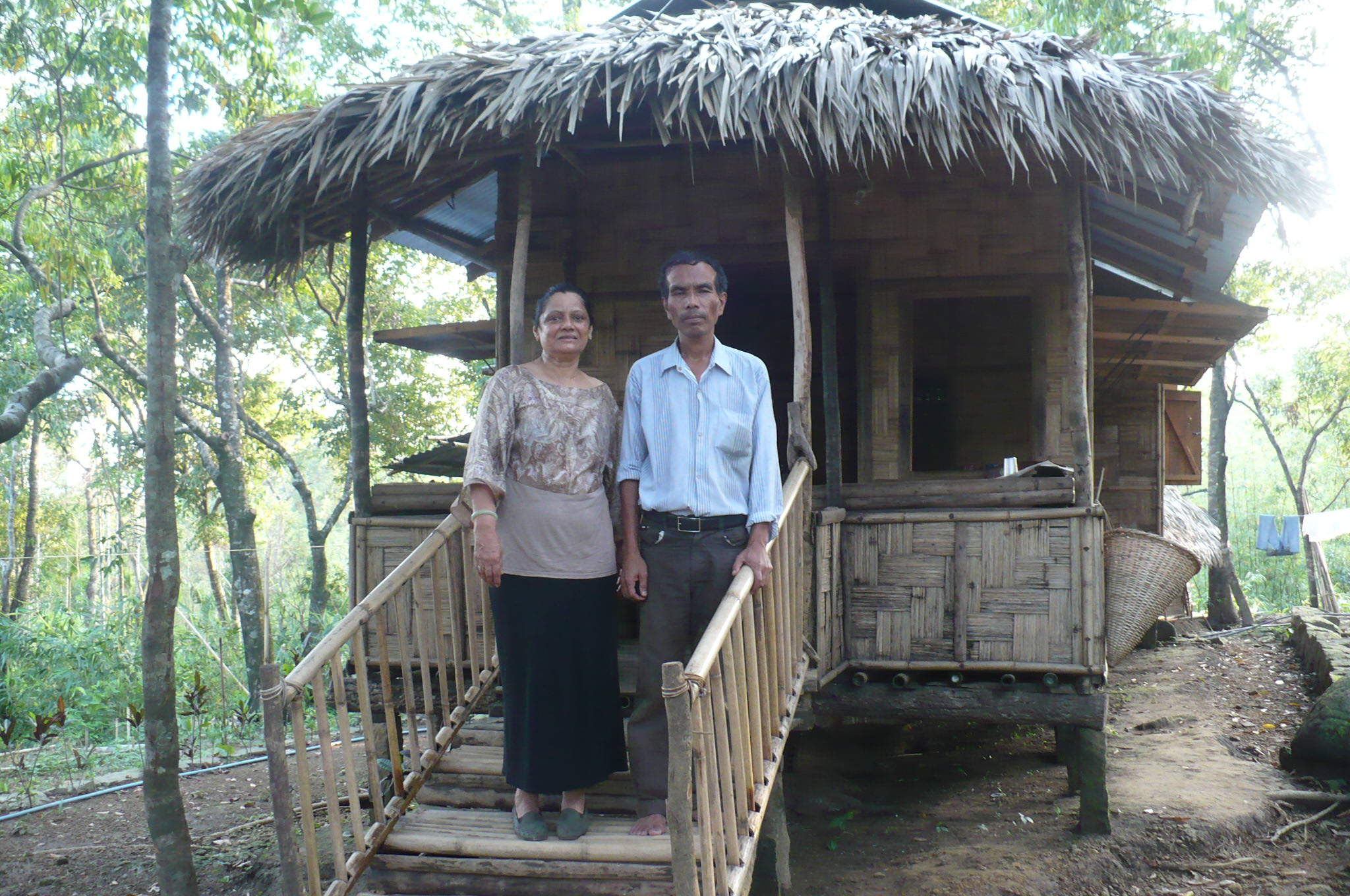
Dr & Mrs Sethi

Dr & Mrs Sethi

On a clear bright day we stroll through the two sections of the museum, the Dagshai Jail which contains 54 maximum-security prison cells and an exhibit area that displays archival photographs of the jail and around.

Most of the cells do not have sufficient ventilation or natural light. There is only one VIP cell with the luxury of a fireplace and washroom. This is where the Mahatma had stayed when he came to commiserate with Irish prisoners with whom he felt a especial empathy & bond. Strange as it may sound Ireland & India had much in common, most important being their struggle for freedom against the same colonial master. Making common cause was a subtle political message sent out to the powers that were.

The exhibit area showcases the history of the region. There are photographs of soldiers, forgotten heroes and of the writer Rudyard Kipling, who wrote ‘Plain Tales From the Hills’ here.

APS Dagshai Bust unveiled 29/04/2014

APS Dagshai Udais’Bust  29.04.2014

The newest addition is the picture – citations of late Maj Udai Singh SC, SM, first battalion the Parachute Regt. Udai had spent the formative years of his life as a student of APS (1988 – 1992), the school a stones throw away from the museum.

Today his Bust adorns the main school square & the children have permission to walk to the museum as often as they like.

That being the Principals’ order.


*The museum is located at Dagshai cantonment, less than 2 kms from Dharampur on NH 22 going towards Simla. It is closed on Mondays & opens Tuesday – Sunday 09.30 – 12.30 & 14.30 –  17.30

Unknown's avatar

Red Earth

At the market place At the market place

You will be attracted if the blurbs read: “Only hill station in India – No traffic”

I had to check this out for myself.

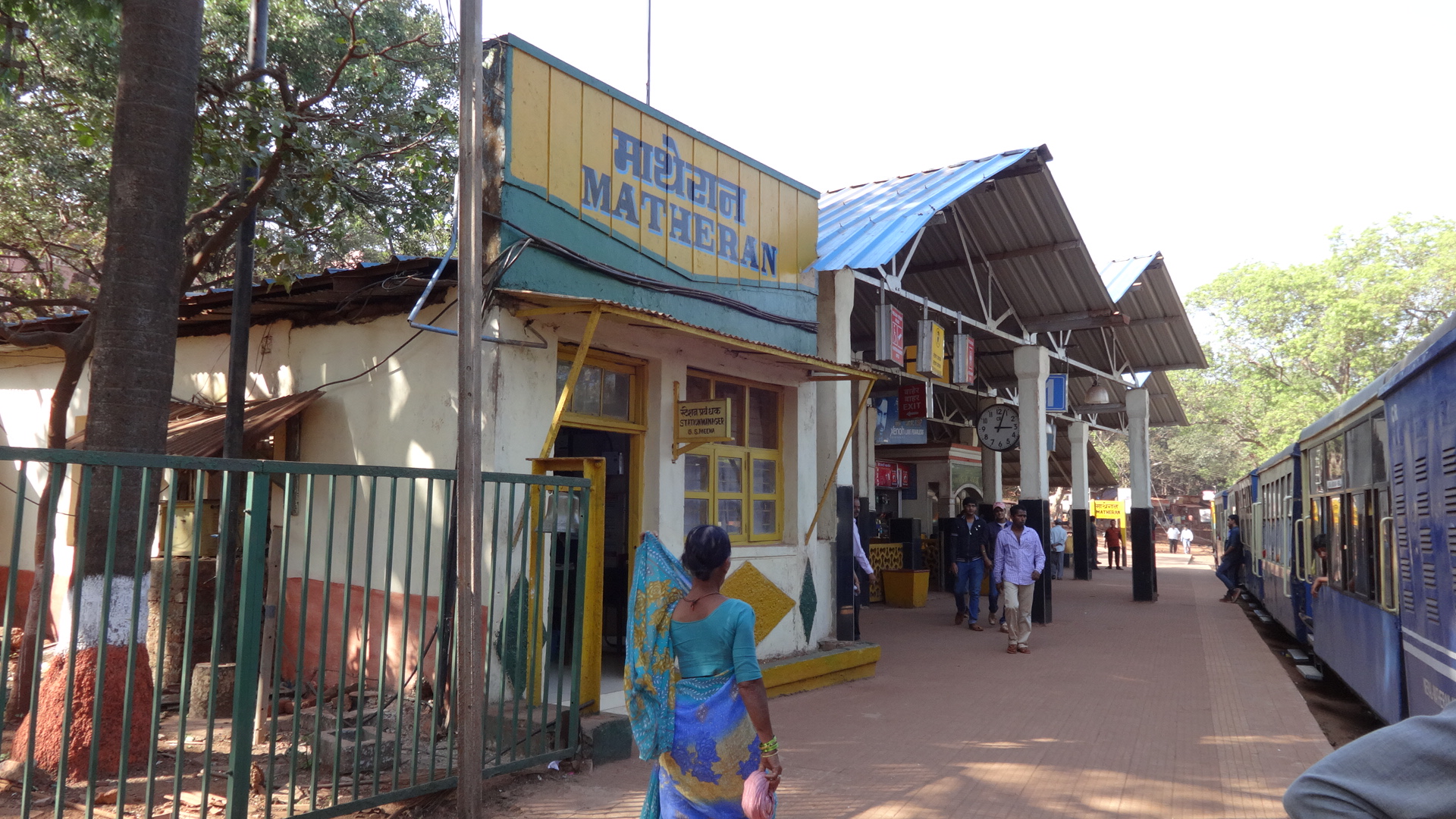
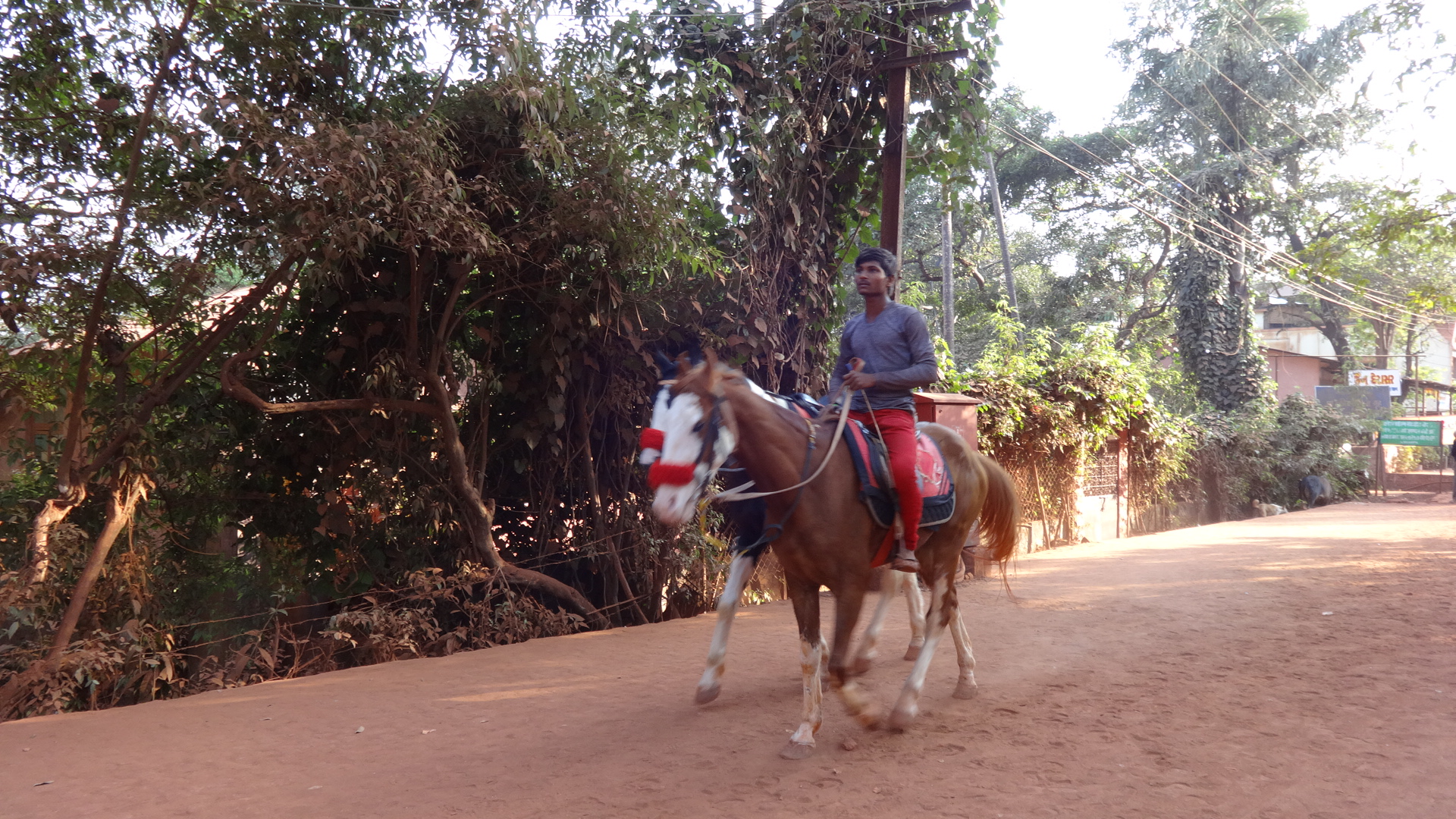
At 2500’ in the Sahyadris, Matheran – literally ‘forest on the top’  – is 110 kms from Mumbai. You could reach it by rail or road but all vehicular traffic must halt at Dasturi. Pay an entry fee here before going ahead by shuttle, on horseback, Ghora Gaadi or foot.

(A shared taxi from Neral the nearest railhead to Dasturi takes 25 minutes / Rs 70 per passenger

Traffic free Matheran Traffic free Matheran

DSC00376 DSC00338DSC00375DSC00446

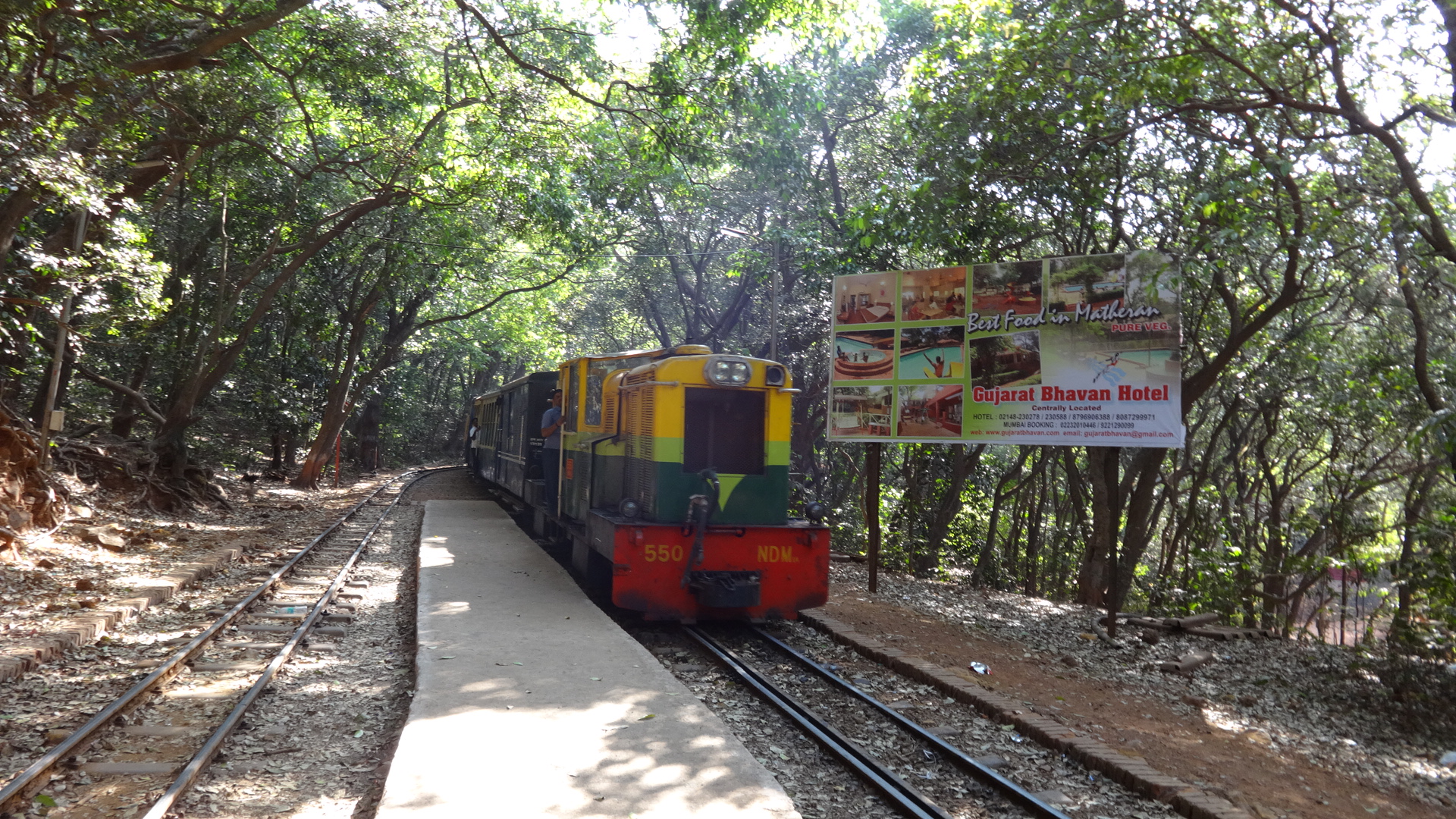
The 2 hour ride on the narrow gauge track from Neral to Matheran is not, at any cost to be missed. The engine huffs & hoots at every scenic bend & turn, cheered on by monkeys snatching at food while, a lone guard flags the  way.

Train timings vary according to season with services shutting down altogether during the monsoon. There is a general bogie with 124 seats/ Rs 65 & 2 first class bogies (6 seaters each/ Rs 265)

Matheran is a sleepy town where one wakes up to the sound of hoofs on red sand & stone paths. It is essentially a place for quiet walks & hikes. Of solitude, golden sunrise & purple sunset. Any wonder that it attracts so many honeymooners. Snatches of old Hindi film songs fill the air – “begaani shaadi mein Abdullah deewaana…..”  Even this is soft & mindful. Not blaring.  Like the place with its pretty colonial cottages. Shops open early & shut late.  Most sell forest honey, chikki & leather goods.


But

( with due apologies )

There is nowhere to go

When the sun goes down

In this one horse town.

 I go a lookin’

No restaurant,

pub or bar to be found.

In this mean ole town!

Chess Field at Lords Chess Field at Lords

DSC00363DSC00334

Lords hotel, owned by a charming Parsi family has an old world aura & ambience. The food here is good but it is for in – house guests alone. The best view of tabletop Matheran is also from here.

Walking to Charlotte Lake I suddenly hear a strange unfamiliar sound & turn around to see a car. Whatever happened to the ‘no traffic’ rule?  I accost the driver in my best aam aadmi style & am relieved to find it is an ambulance – the only one here – not some Bloated Ego bending the law.

Be Aware  It is one among many of those suddenly multiplying places that have an unwritten code against accommodation to Singles

However, as every well heeled traveller  learns _ there is always a way.

Unknown's avatar

The land of Kuru

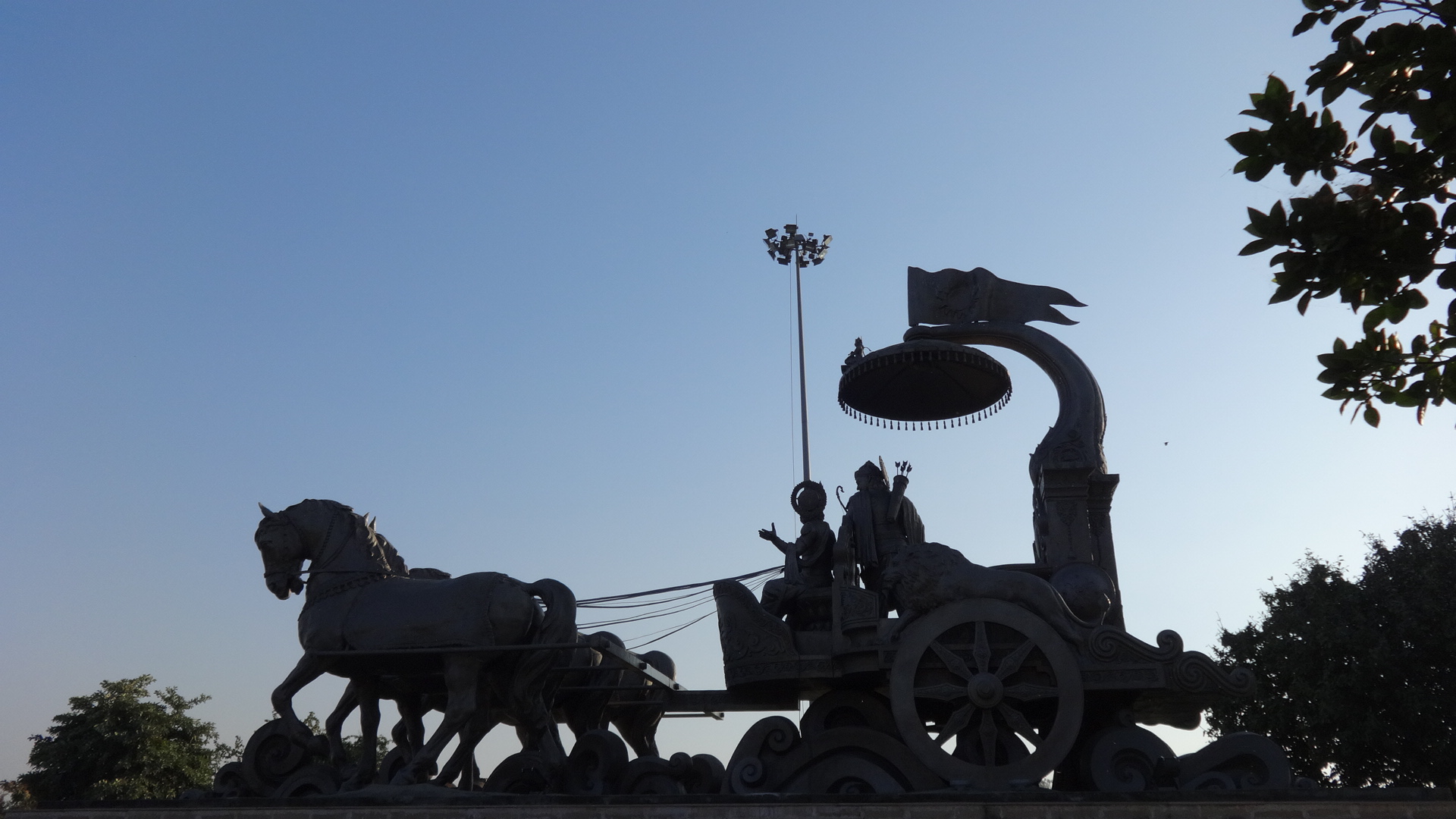
DSC00122Bronze – Krishna & Arjuna  on the chariot ( 60’ long/ 35’ high) Along the banks of Brahma Sarovar

DSC00136

DSC00166Bhadrakali temple – one of the 51 shaktipithas. Horses made of clay are traditionally offered here.

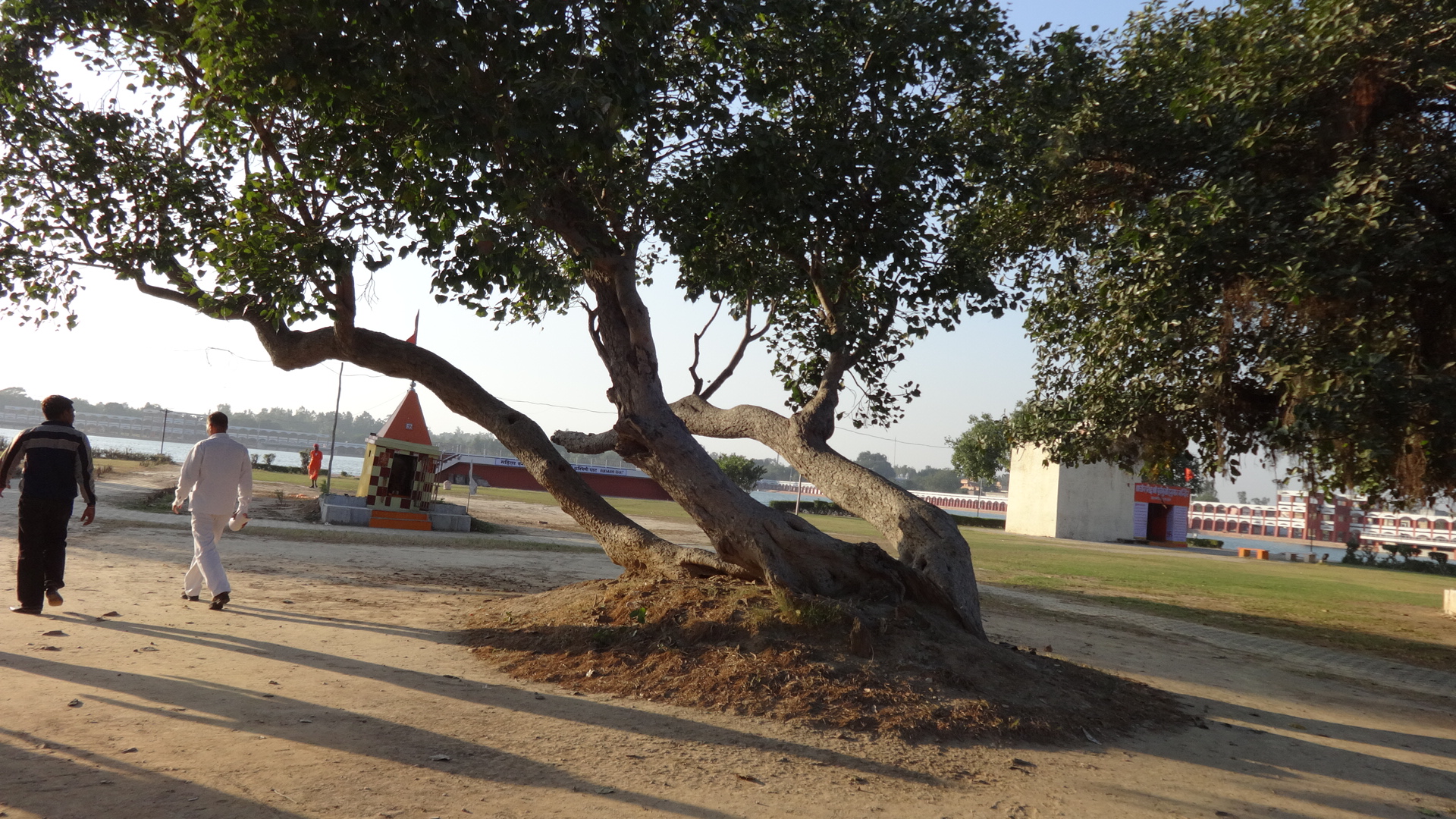
DSC00113Brahma Sarovar

DSC00143Ladies bathing area on the ghats

“Where next?”

“ To Kurushetra”

Eyebrows go up quizzically.

I must confess to having some preconceived notions myself. Eventually reduced to pulp as it turns out.

Past NH1 & less than 4 hours from the national capital, Kurushetra comprises an area covering 48 Kos, one Kos roughly equivalent to a mile & a half.

Myths & legends associated with the place go back several centuries BC. Not only is it a revered Hindu site, it was visited by all the Gurus of Sikhism & by the Buddha himself, giving it rare religious credence. Sufis & Mystics followed, congregating at the ghats on the day of the solar eclipse – to practice & to preach.

Despite this combination of history, legend & myth the one lasting impression is of a town firmly rooted in the present. Albeit quietly on the move

Witness the broad roads, residential areas segmented into sectors, the spectacular campus of Kurushetra University, the museum & the Planetarium where school children flock in droves.

The Krishna museum showcasing the past has more than a thousand footfalls a day, as do the Ghats of the Sarovar. It is believed that the mythical Saraswati once flowed through this land. Geographical changes dried up the river turning it to slush before the water from the Bhakra Nangal was brought in to replenish & restore.

A case of past meets present. And all for the good.

Kurushetra is above all an aspirational town with a feel good factor. Pilgrims, striving for moksha continue to visit in hordes but many more come to avail ample educational opportunities in pursuit of a better material life.

The inspiration clearly is Kalpana Chawla.

Not Bhishma Pitamah lying on a bed of arrows (museum).

DSC00156DSC00165DSC00131DSC00100

Highway Eatery

DSC00114

Brahma Sarovar

Unknown's avatar

Mawlynnong

Living Root Bridge @ Ravai

Living Root Bridge @ Ravai

What started as a promising day began to sour.

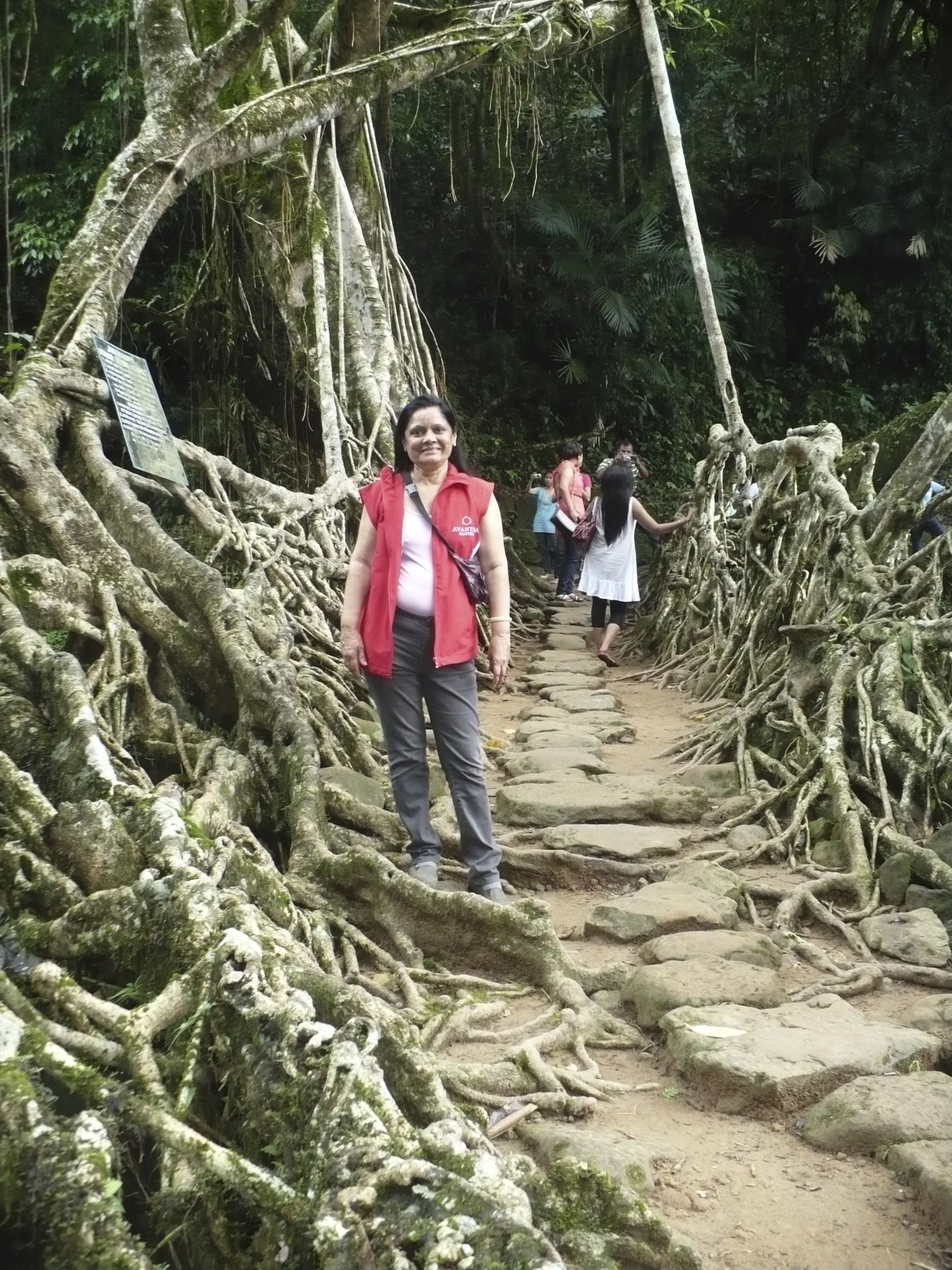
First, the spell binding drive to Mawlynnong, a brief stop over at Ravai, a trek to the ‘living root’ bridge  – munching pineapple all along the way.

Then an accommodation fiasco of the worst kind.

480904_10200422689984198_956901627_n

Swapping tales with young back packers that night I narrated how a village homestay had been arranged & how I had been duped by a certain Henry who turned out to be a tout. One meets his kind everywhere.

The room was practically a hole in the wall & the afternoon heat coupled with an empty stomach had added to my woes, resulting in frayed & over wrought nerves.

But things have a way of working out. Always.

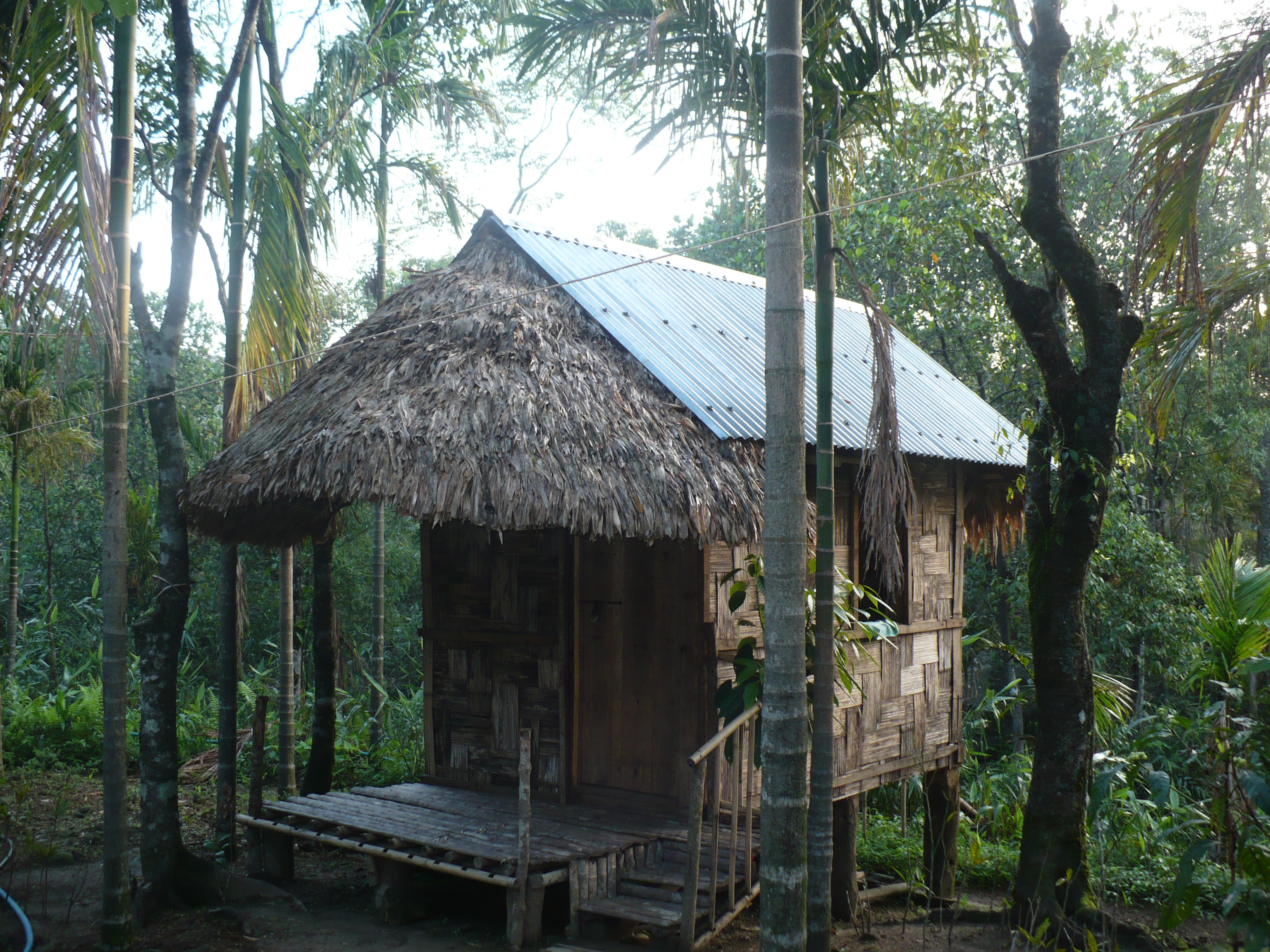
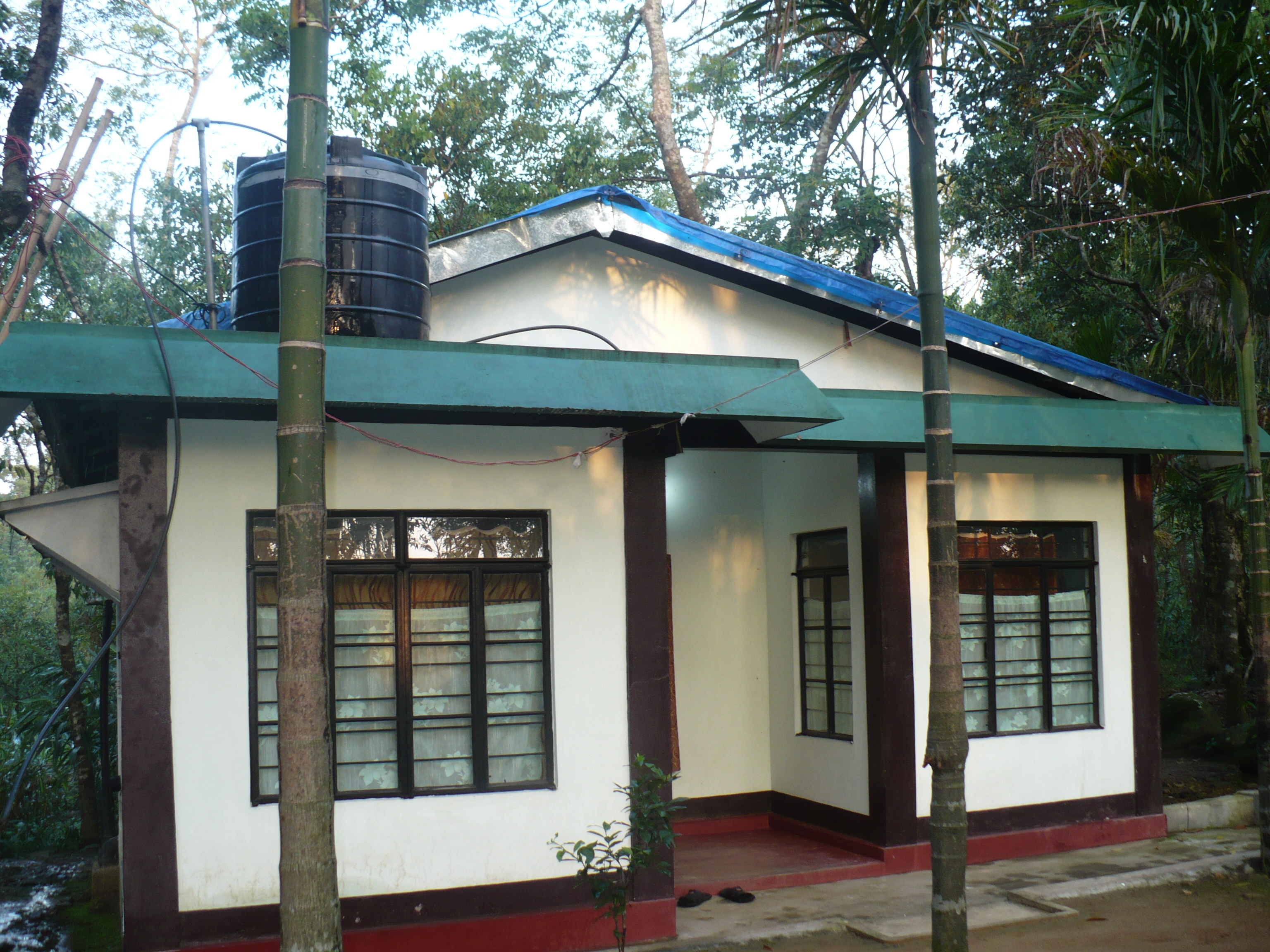
I ran into Smiti Majaw, a tourism official who had come to meet the village Headman. She was appalled at the treatment meted out to an ‘honored guest’. Who was this Henry? Not only was it shocking & painful, it was totally alien to Khasi culture. Both of them apologized & proceeded to make amends by offering alternate accommodation, which turned out to be a choice between a modern cottage & a Khasi hut in the woods. I chose the latter. It looked wistfully romantic & was a stones throw from both the restaurant & Skywalk. The latter offering a grand view of the plains of Bangladesh in the distance.

Khasi Hut

Khasi Hut

P1020485P1020481                                                                                                                                                                                                Bangladesh

P1020508                                                                                                                                                                                         Bamboo Sky Walk

Mr Rishot the owner insisted that I was not to pay a single penny. I could stay as long as I liked without charge for either accommodation or food.  I protested. But he was insistent. His Khasi pride injured too.

My 3 young friends had a hearty laugh.

On reaching Mawlynnong they had gone knocking on doors in search of a cheap place to stay. One family took them in offering just enough leg room to stretch out for the night. The family was large & space scarce. Except for the eldest, a college going boy none of the others spoke either English or Hindi yet, they stayed up late into the night & talked – their son the interpreter.

Early next morning everyone walked down to the river to wash & freshen up. When it was time to leave the visitors offered Rs 500 considering it an appropriate sum for their stay.

“ But the old woman – hands solidly behind her – stepped back & declined. After a little charade in impossible sign language she accepted the money, counted the notes & returned 200.”

With a population of 501 Mawlynnong encompasses a large area. It is also fairly prosperous. Practically every family own a nicely cultivated patch of green. There are fields & forests & plantations of bay leaf, areca & pepper. Also giant Grapefruit & Jackfruit trees.

The main guesthouse that was blown away during the cyclone is under renovation, as is the church near the village square.

Churches of every denomination abound & the church plays a vital role in the life of the village. It is beautiful waking up to the chiming of church bells on a lazy Sunday morning. The bells continue to ring at regular intervals through out the day. There are 3 church services. At 7am, 12 noon & at 2 in the after noon. Do not ever come here on a Sunday if it is to be a day trip only. Sunday is strictly a day of rest when nothing stirs. Forget about food you may not even find a cup of tea anywhere. Coffee, in any case is out of the question. Mawlynnong, for some reason has not been introduced to the pleasures of the coffee bean.

I walked the forlorn streets early one Sunday morning. Clear blue skies. Fresh unpolluted air. Clean surroundings. Not a soul around.  Complete silence.

“ Dear God the very earth seemed asleep”

P1020500

A word about Mr Rishot.  Bachelor, man of few words, a gentleman, if ever there was one. Schoolteacher by profession he is idealistic & unworldly. Someone who does not even operate his own bank account because he trusts the person who does it for him. The account, in any case a superfluous necessity that must be retained because of the incoming school salary.

He is also the owner of an eating place & guesthouse that offer rest, warmth & friendly service. His contribution I’d say to making his village a more livable place.

And Rishot, to me epitomizes Mawlynnong.  As much as the fireflies that lighted up the forest & glowed in the night sky.

P1020507                                                                                                                                                                                               Mr Rishot

Down to the River

Down to the River

P1020488                                                                                                                                                                                     The Launder’ette

Unknown's avatar

Q & A

Khasi Monoliths

Khasi Monoliths

Q: Guess which is the cleanest village in Asia?

A: Mawlynnong in the East Khasi hills, Meghalaya

So says everyone (Try Google)

P1020475

It is about 2 -3 hours or 85 kms from Shillong the state capital & you could reach it by private car, shared Sumo, or tourist bus.

Take the highway from Shillong towards Dawki on the Bangladesh border, slicing through floating white clouds that drift & hang high above in the sky, then suddenly descend to the ground, blocking the path & view ahead.

Not for nothing is it called Meghalaya (the abode of clouds)

Driving past a landscape of quaint Khasi villages, leafy green woods, upteen waterfalls, mist, drizzle & rain it is surreal. Akin to cruising to the ends of the earth into a kind of ‘nowhere’ land

And, the road is rather good.  So you could simply zip up.

Not quite though. Alas, for the clouds.

With a population of 501, (according to the last census) there are 95 households. The village has paved roads, public parking, pay & use toilets, piped water, electricity, schools & post office

Public Toilet

Public Toilet

Parking Square

Parking Square

P1020491

P1020495P1020499

A natural nursery of flora & fauna there are benches for the visitor to simply sit, stare & watch life go by.

Practically everything  – from garbage bins to tree houses to skywalks – is made of different varieties of locally grown bamboo.

Mawlynnong is green & beautiful.  And yes, it is spotlessly clean.

October onwards is the best time for a visit. With the monsoon in retreat, a brimming river & sprightly waterfalls, the colors of the hills come alive. And the rhododendron in full bloom sets the forests ablaze.

It is also a good time to trek, to the many ‘living root ‘& ‘ladder’ bridges which otherwise are inaccessible most parts of the year.

If you ever come, do try slices of fresh pineapple, sprinkled with red chili powder. It is an absolute ‘must’. As is the local red chili which has a flavor uniquely its own

P1020439

Living Root Bridge @ Ravai

Living Root Bridge @ Ravai

What strikes one most is the quiet stillness of the place broken only occasionally by a loud buzzing sound emanating from the forest.  It is louder than the sound of a vibrating mobile & comes from an insect that is never to be seen.

At a height of 600 meters Mawlynnong can get hot & humid during the daytime. The locals then retire for a siesta. After a hearty meal of rice, meat & vegetable what could be more desirable.

Leisure, after all is the hallmark of civilization.

Unknown's avatar

Forever Young

P1020460

May 24. Bob Dylan’s’ birthday. An event that Shillong  (capital of rock music in India) celebrates with an annual musical concert. It has been so for 40 years now going back to 1972 when the first  was organized by Lou Majaw, local boy & die hard Dylan fan.

It has been Lou’s’ tribute to the Prince of Blues & Rock n Roll ever since.

P1020453

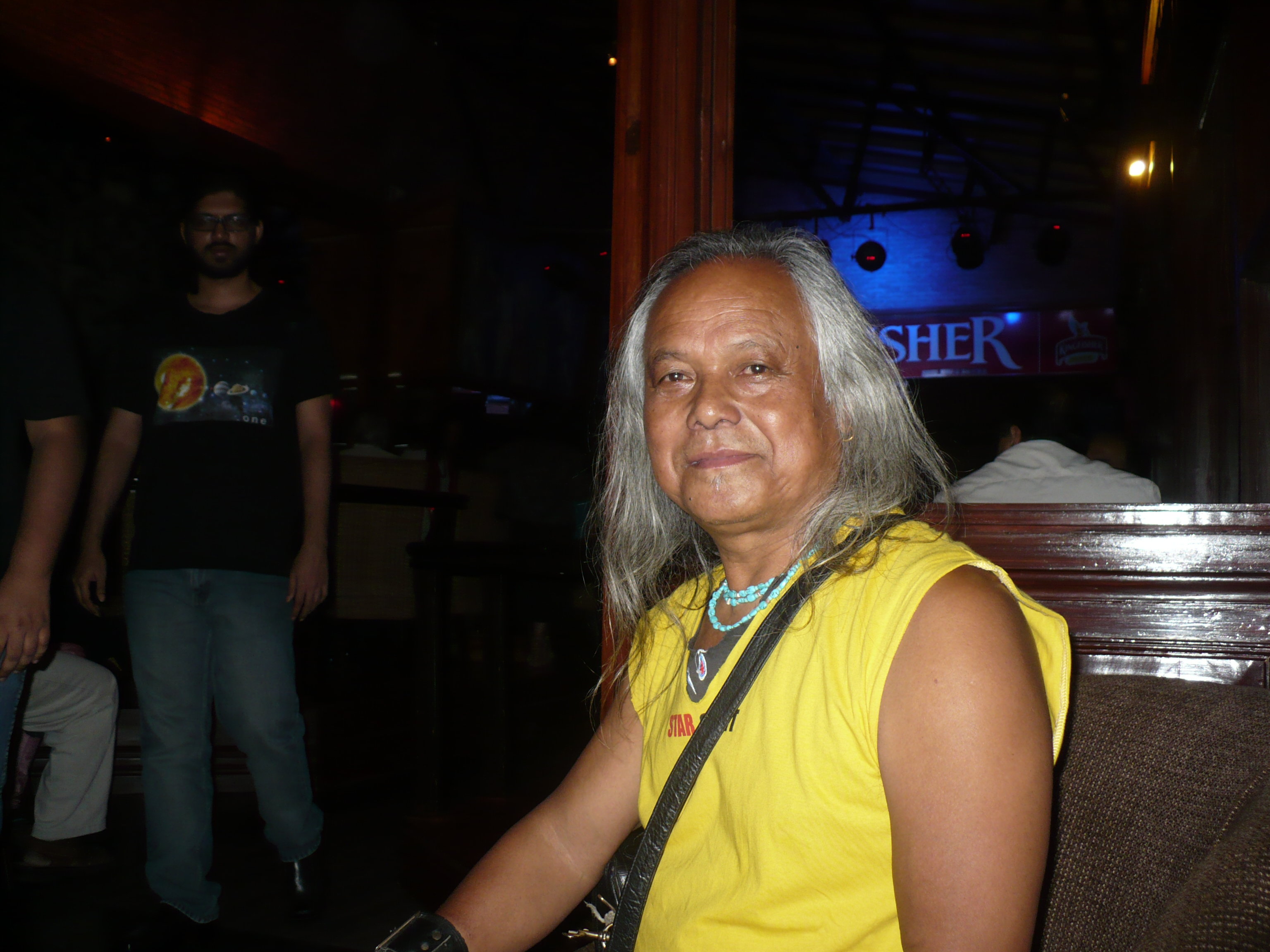
Lou himself is a legend in these parts. Troubadour, guitarist, folk singer who wants children to enjoy Dylan’s music & to dig the poetry & lyrics of its soulful numbers

May 24,2013.  My trip to Meghalaya is planned around this date. The concert is at Cloud 9, a bar at the Centre Point in Shillong.

I run into Lou bounding up the stairs even before the show has begun. He is ecstatic knowing that I am a Bob Dylan fan too & have especially flown in from Delhi for the event.

Cloud 9 is suffused with Dylan-mania, palpable in the air with fans of all groups & ages.  The bar is smoke filled, liquor filled. With no taboos or restrictions it is easy to sit  & relax & I do precisely that with a ‘Pina Colada’, which soon topples over – glass broken, splinters across the floor, contents all over my dress – in the excitement of Bob/Lou.

P1020458 P1020459

Guitar in hand he makes an appearance to loud  & prolonged applause. He is tall, of stocky frame & unconventionally attired. With flowing white hair & bandana, in trademark sleeveless tee, shorts & sport shoes,he is a showman par excellence. With a powerful gritty voice he begins his tribute to the strains of ‘Forever Young’, the audience joining in, followed by all the nostalgic old favorites  “Tambourine Man “ “ Blowin’ in the wind”  “The times they are a changing”

It is a mesmerizing 4 hours.

There is a large Calcutta crowd. Also many from elsewhere in the northeast.

And there is Geetu Hinduja from Bombay who quite literally brings the house down with her rendition of ‘‘There is a house in New Orleans they call the rising sun”………..’ House of the rising sun’

Happy birthday Bob. May you have many more.

Unknown's avatar

A River & a Temple

Guwahati crow

Guwahati crow

There is nothing here”, said my host, of Guwahati, while conceding it was the entry & exit point to most of the North East.

I was surprised.

IMG00136-20130603-1046

The thought of not having seen the Brahmaputra had niggled a long time & set the adrenaline flowing. The entire NE trip had in fact been planned around it.

The mighty river & Kamakhya the ancient temple atop Nilachal hill. Two birds with one stone as I flitted across states by road, rail & air.

P1020605

Guwahati is a B grade town, no doubt.

We drove through empty streets for the VIP ‘darshan’ scheduled for 08.30 am when the temple opens to the general public. The queues get inordinately long thereafter.

It was a distance of 30 kms from Narangi  & took 45 mins by car.

IMG-20130603-WA000

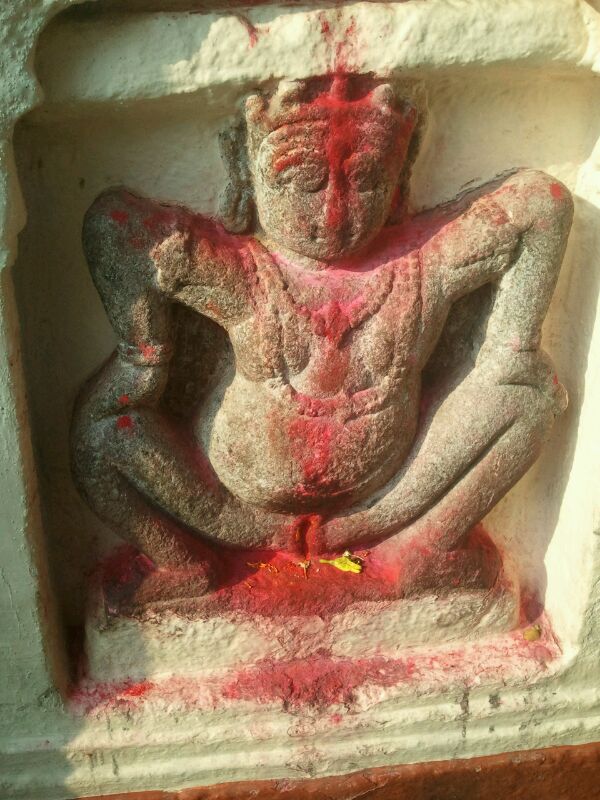
Kamakhya Devi is 800’ above sea level & offers a stunning view of the town below. It is in fact a collection of temples dedicated to goddesses of the Hindu pantheon who are important to the tantric worshipper. The garbhgriha or sanctum sanctorum is ancient & prehistoric & lies in a cave below ground level. There is no image. It is simply a sheet of stone in the shape of a yoni washed by the fresh waters of a natural underground spring.

The structure above has frescoes & figurines reminiscent of Khajuraho. It is all about Shakti. Worshippers can be seen leading goats to the altar – not as a sacrifice anymore. The temple dates back early 4th century & has solid silver artifacts & doors. It was destroyed several times during foreign invasions & later reconstructed by an Ahom king in the 16th century.

Saraighat Bridge

Saraighat Bridge

On to the Brahmaputra.

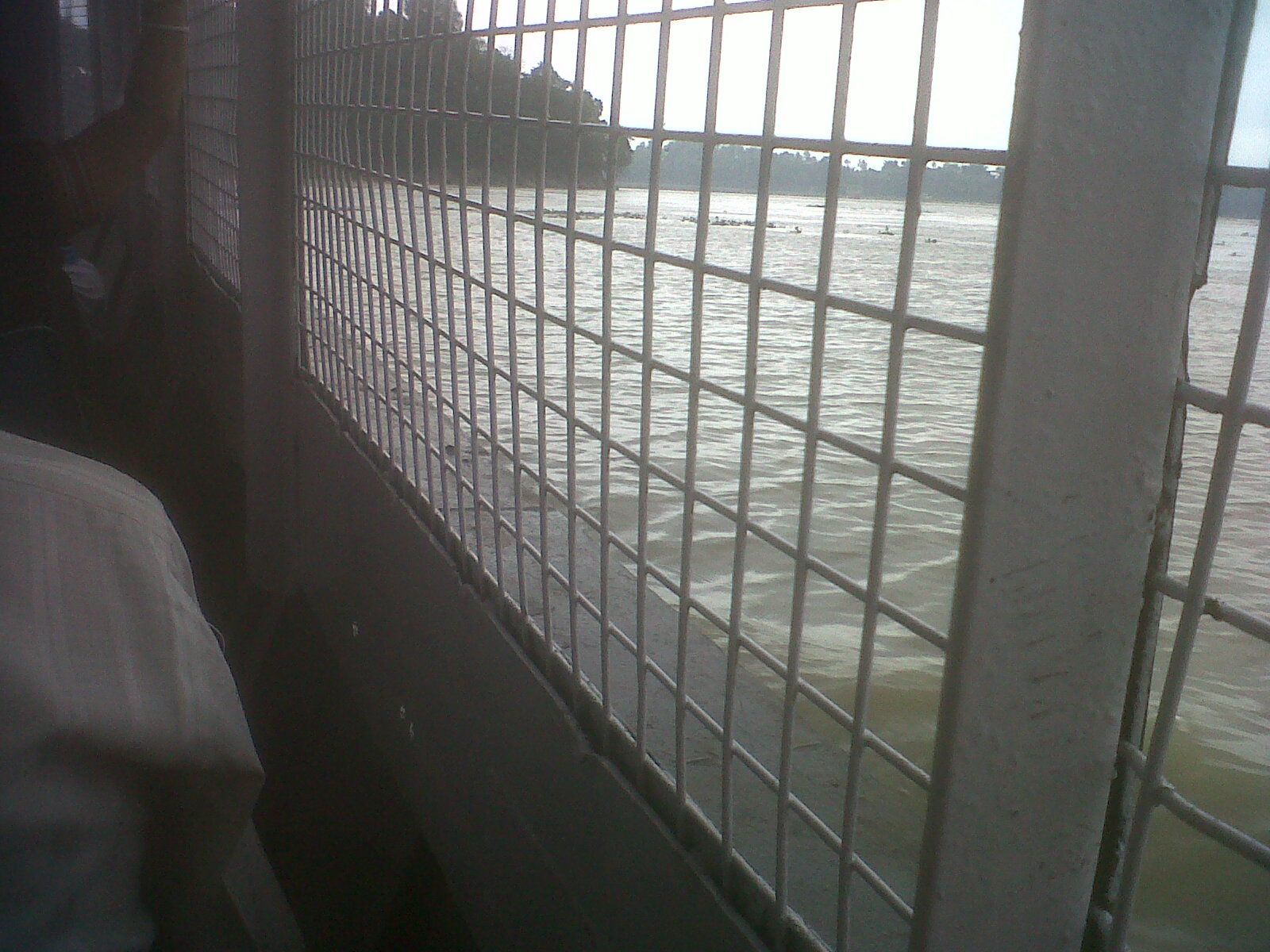
It is breath taking in its sweep. It is awesome!

Stretching 2900 kms via Tibet, India & Bangladesh

Home to the endangered Gangetic Dolphin

Its monsoon waters muddy & brown.

The currents fast & furious

IMG00138-20130603-1219

There are river cruises from Machkhowa Ghat, Fancy bazaar operated by ‘Al Fresco’. A sunset cruise at 1700hrs followed by the dinner cruise at 1930. At Rs 250 per person one gets to sail for an hour. The cruise ship has a restaurant & bar & crooners sing to a live band. There are weekend parties on board & extended tours further north to Kaziranga wild life sanctuary & Majuli, a large river island & world heritage site.

Nearby at Uzan Bazaar state owned motorboats give a ride for as little as Rs 10. Taking you to a small mid River Island that has a Shiv mandir & view of the swirling waters around busy Saraighat Bridge in the distance.P1020610

P1020611

Unknown's avatar

Dateline Kohima India

P1020591                                                                                                                                                                                                         ceremonial gate

Handy Tips, Info & Insights

Kohima has a helipad but is not directly connected to any other place either by rail or air. You could travel by road or take the train from Guwahati to Dimapur a distance of 250 kms/ 4hrs. From Dimapur, the commercial capital of the state it is a further 70 kms.  The road is good & the drive scenic. The roughly 2hr journey costs Rs 80 by bus, 220 in a shared taxi & 800 by private car. You are dropped off at the NST – Nagaland State transport – in the heart of town. Local buses & black & yellow taxis (all Marutis) are available at a minimum of Rs 80. There are no auto or cycle rickshaws.

Cricket on a rainy day

Cricket on a rainy day

It is a crowded mid size town with crazy traffic that snarls through the day. Restaurants & coffee shops are few & nothing to write home about. The ‘Ozone Café’ near Naga Bazaar was pretty decent but it did not open until noon. Which means that there simply is no ‘breakfast place’. Also, there are no parks or bars as liquor is banned – enjoy the rice beer, instead.

DC Heritage Bungalow

DC Heritage Bungalow

Despite the big & small hotels there is a real paucity of accommodation especially during the Hornbill festival in December when occupancy shoots up & there isn’t a room to be had. Nagaland tourism advertises homestays but there is a wide discrepancy between rates quoted & prevailing. What the tariff includes is also a bit hazy. Most often rooms do not have attached toilets. Toilets are generally clean but without running water. You may also never get to share a family meal. This, when tariffs are at par or higher than that of the hotels.

The DC Bungalow, now a heritage hotel is strongly to be recommended not only for its rooms but also for food & service. The rates are extremely reasonable & it is beautifully located.

Above the entrance of a Naga home

Above the entrance of a Naga home

Homestays are an experience nevertheless & well worth trying out. One gets a feel of the pulse of the people & the place. In any case it all depends on how well the inter action goes. I had a neat & clean room with the Wiso family at Naga bazaar. We had long interesting chats over cups of tea & coffee with smiling little children flitting in & out not to forget the squealing pigs & crowing at the crack of dawn

Local girls wearing Tribal jewellery

Local girls wearing Tribal jewellery

Nagaland is Christian majority. There are Christians of all denominations with churches scattered everywhere. Until the arrival of the American missionaries in the early 20th century society & culture was Animist. Without music & drinks it seems rather joyless now.  The church exercises a rigid control. Sunday is strictly a day of rest so plan it well. No taxis ply.  You will be charged return fare for a cab to the airport or to the station. You may not even get a cup of tea anywhere.

The Church actively discourages family planning. Most couples have 4 children on an average. Families are larger in the countryside.

Aids & drug awareness slogans adorn billboards.

There is little Hindi but English is widely understood & spoken.

Angami Naga Tribal home

Angami Naga Tribal home

The beauty of Nagaland lies in its quaint & charming villages. There is Kohima village adjoining the town, also Kisama (a fake showcase village), Phesema, Zakhama, Kigwema & several others within an easy 30 kms radius. The weather is lovely & the girls beautiful.

Because of a largely salt & meat diet many of the elderly suffer hypertension.

The Policeman here is as elusive as the London Bobby for there is hardly any crime. One doesn’t even hear of petty theft

It is lovely to stay connected while on the move. Updating status on Facebook, posting pictures & keeping abreast

Traffic police woman

Traffic police woman

What one cannot help but notice is the near total disconnect between rulers & ruled. Nagaland feels like it has been left in the backyard. The local government- corrupt & rapacious, while the writ of the banned Underground rules. There is an organized extortion racket in place where the Naga Underground collects tax. All government servants, policemen included, have to pay one month basic salary. It is also the reason why shops close so early (7.30 – 5.30). Every shopkeeper shells out anything between 10 – 50K.
Kohima village

Kohima village

There is no shortage of water yet whole colonies go without. Tankers fill the streets. Water has to be bought. My hosts buy 1000 cc, at Rs 500 every week. This is besides the water from the bore well that is pumped up daily. Each member of the family makes do with a bath on alternate days. In fact a lot of time goes into the ritual of collecting & organizing water for the day. Any wonder then that the local lad looks confused & dumb when asked for directions to the Raj Bhavan or Tourism office? Nobody knows or cares.

There is also the perennial question of the “inner line permit”. Is it or is it not a prerequisite? Tourist brochures insist it is compulsory but I roamed around freely without one. Neither did I see or encounter any checking. Nagaland tourism please clarify.

June 2013

Ceremonial door used in a rain shelter

Ceremonial door used as a rain shelter

Unknown's avatar

Distant Drums

P1020562P1020562

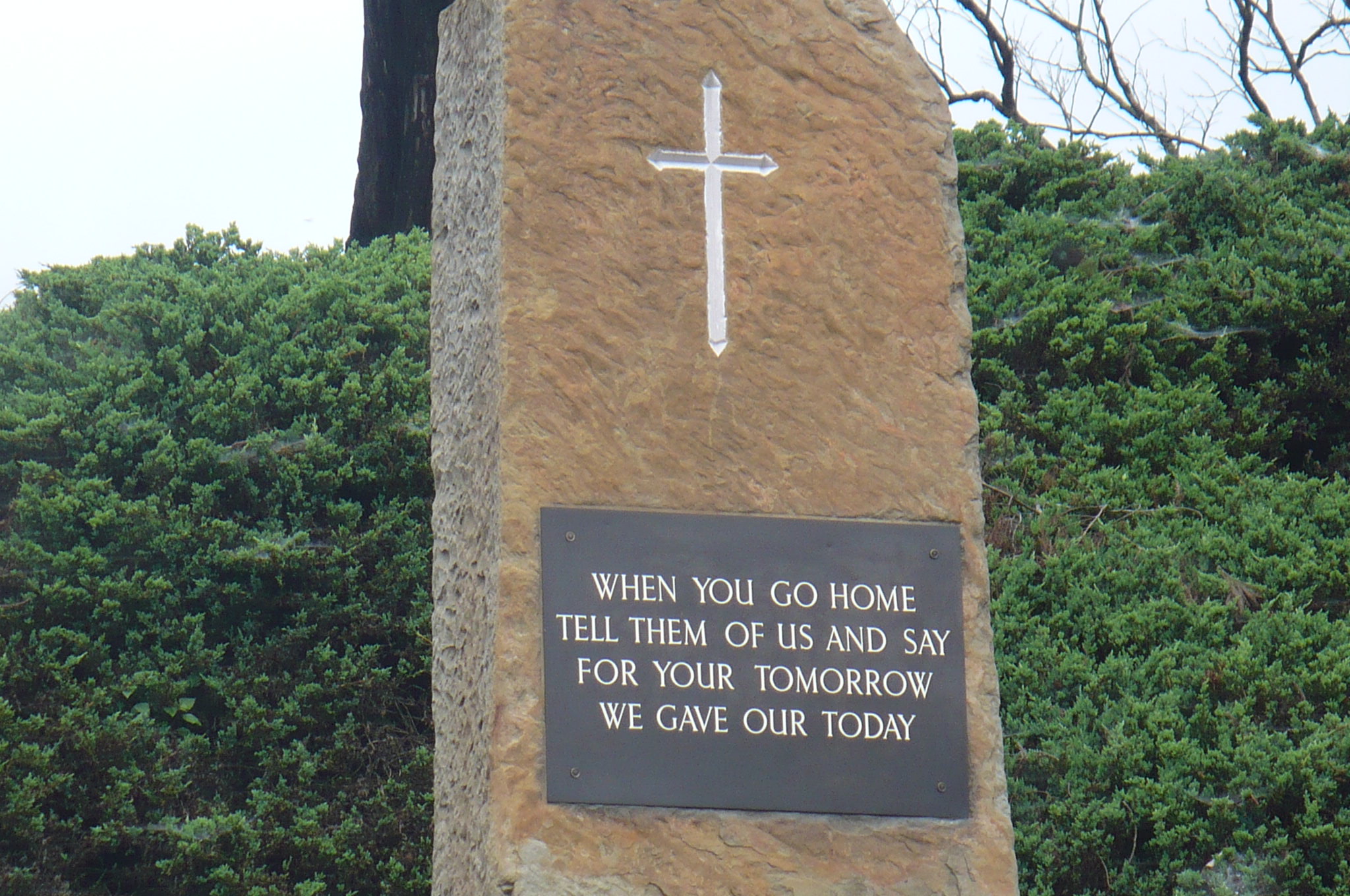
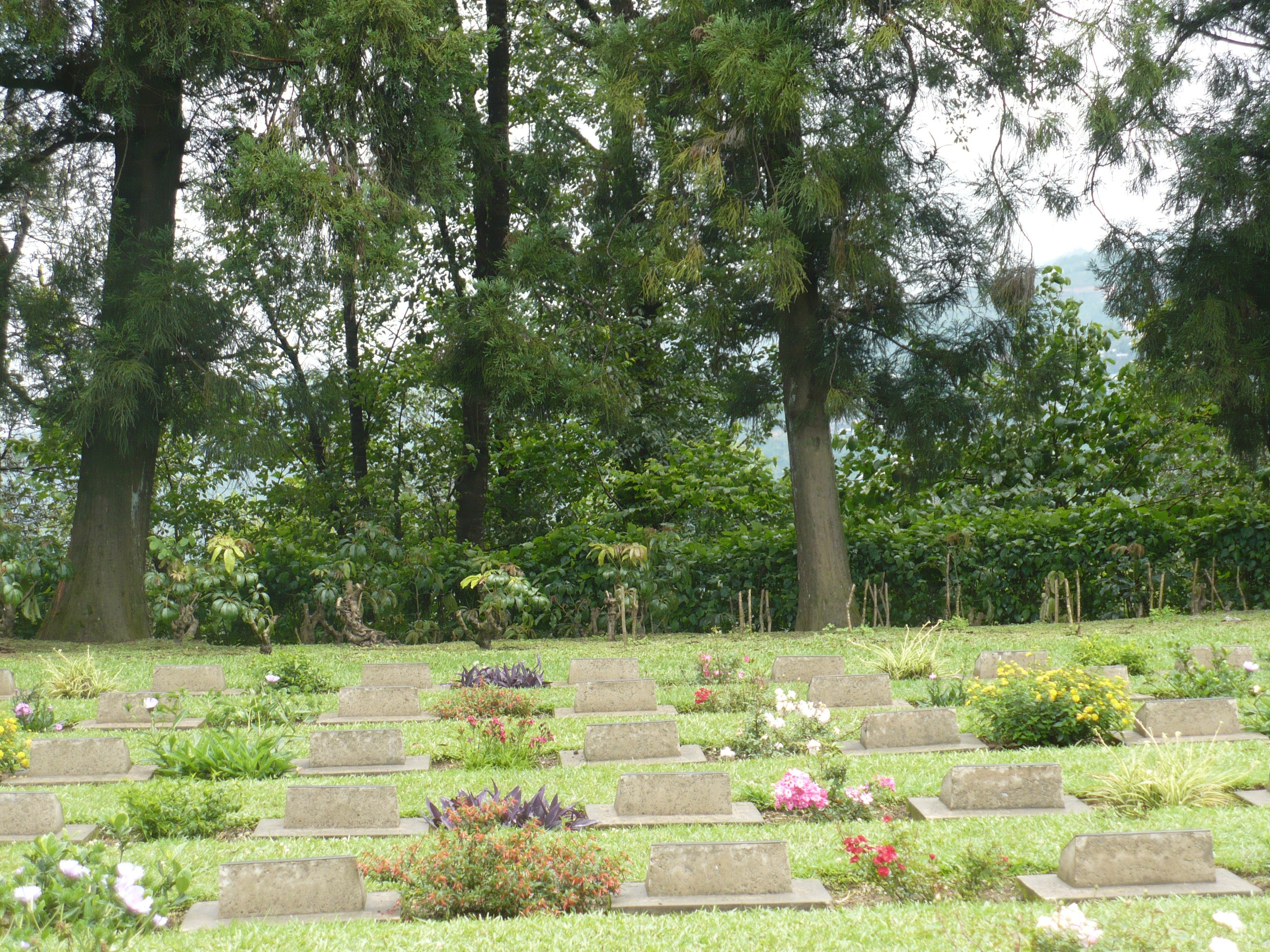
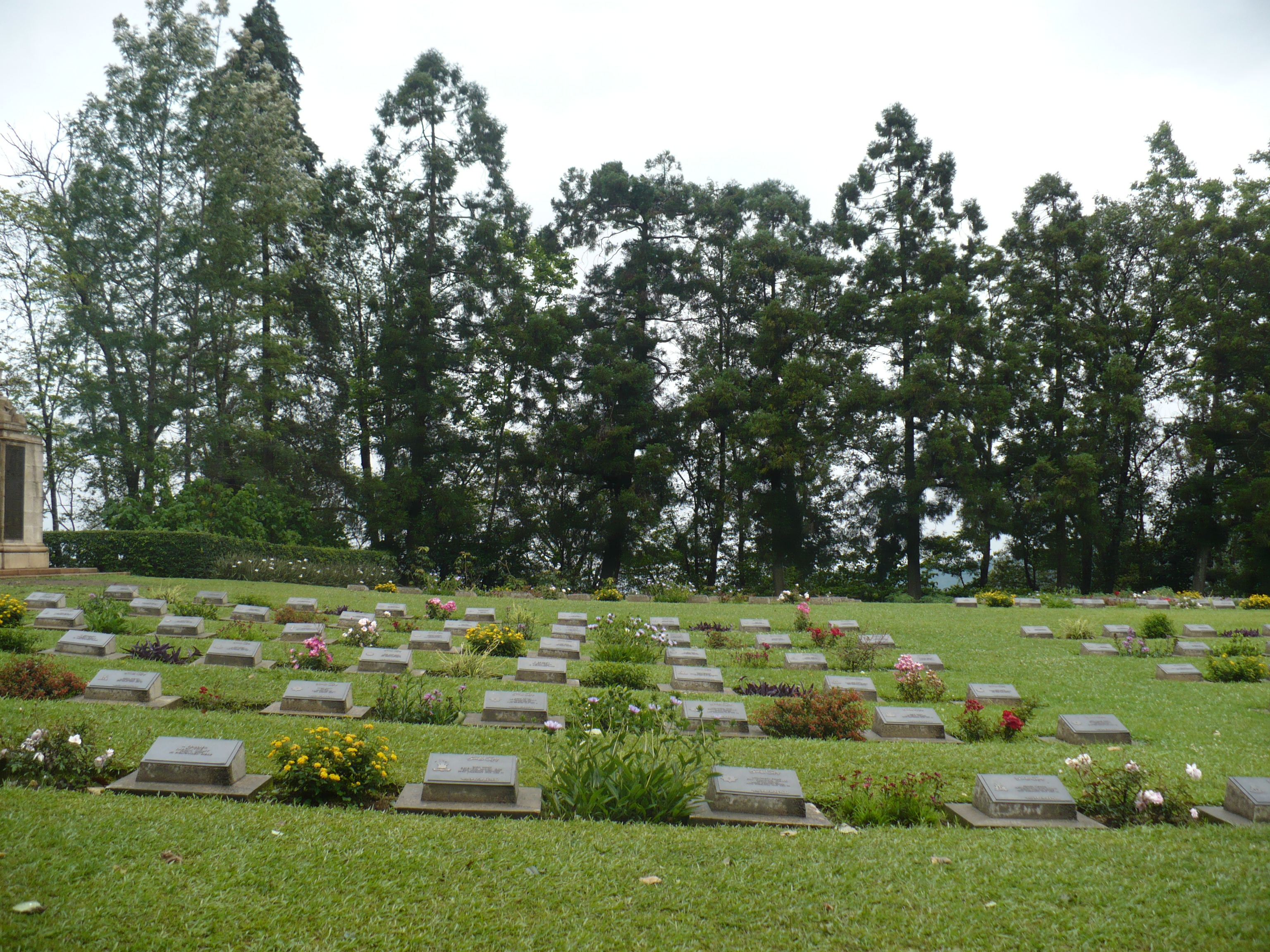
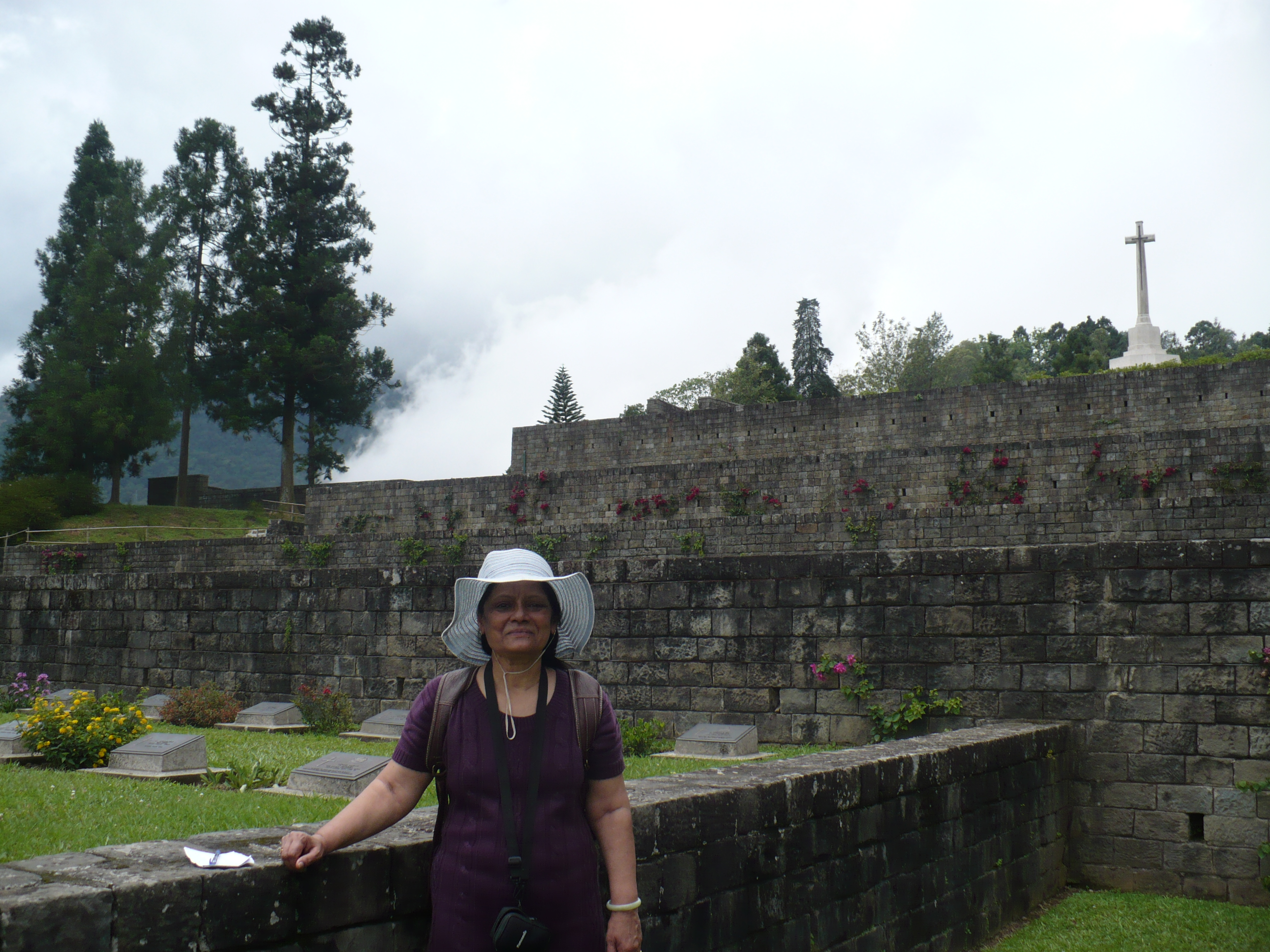
The Kohima Epitaph is dedicated to the memory of the 10,000 Allied soldiers who died fighting the Battle of Kohima in the summer of 1944. It is built & maintained by the Commonwealth War Graves Commission & is among the best in the world.  Located on the slopes of Garrison Hill the cemetery overlooks the hustle & bustle of a crowded town & is both a prominent landmark & tourist destination. There are row upon row of neatly laid out graves in a landscape of pine trees, grassy slopes, butterflies & flowers. Except for Sunday it remains open everyday from 8am – 5pm.

P1020567

P1020568

I am at the gates on a rain drenched day patiently waiting for the cemetery to open.The caretaker arrives like clockwork & soon I have the place entirely to myself – for a couple of hours at least. Like most cemeteries it exudes an air of quiet peace & repose. The Pines stand tall & give off a scent with the wafting of the breeze. Lone sentinels. With the rain & mist rolling in from the surrounding hills it is beautiful beyond compare.

P1020569

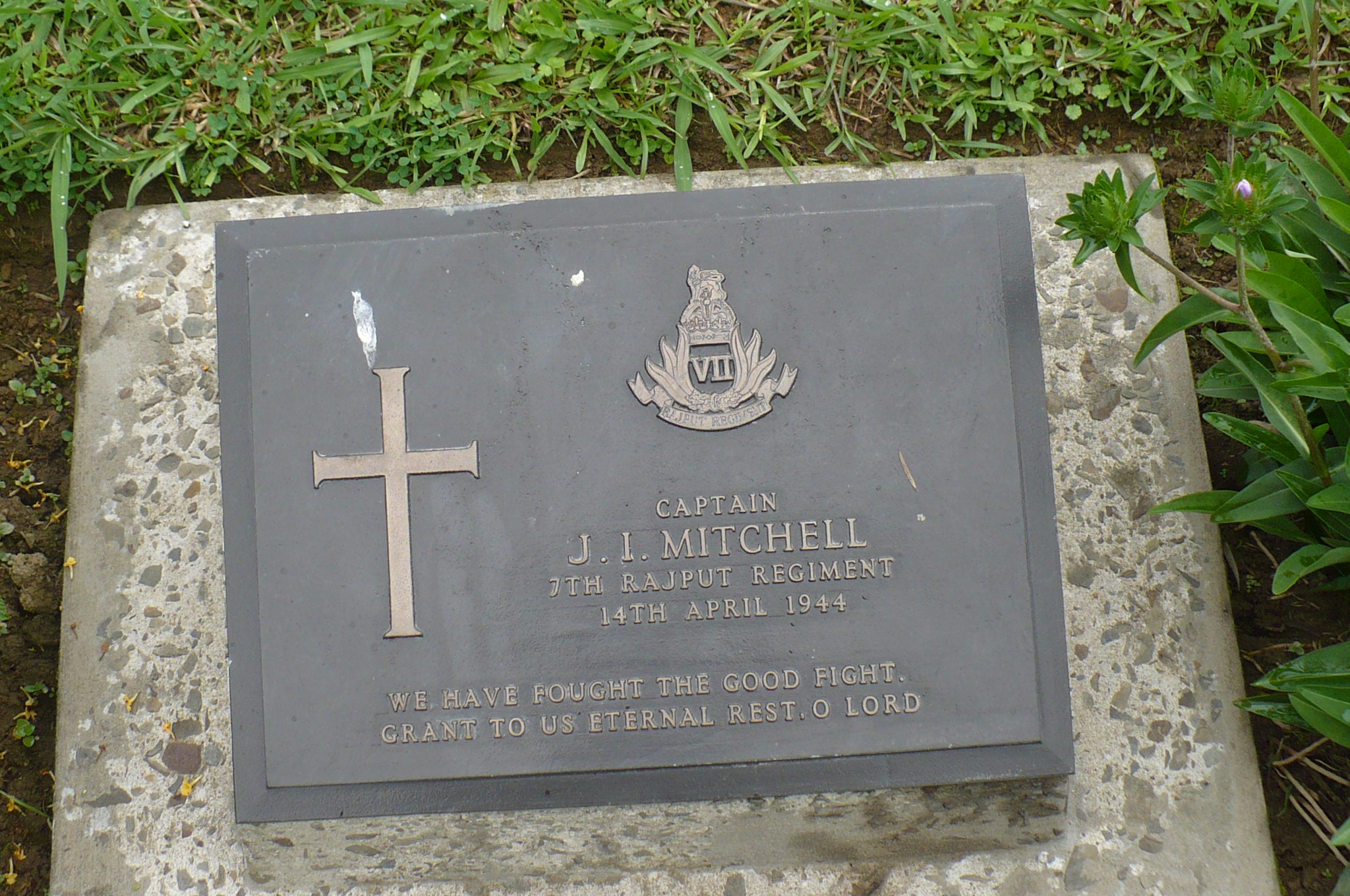
It takes almost 3 hours pausing & walking past each & every grave. Wish I had done a head count. There are 1480 graves I am told but cannot be certain. (It is 1420 according to Wikipedia) Except for a single one belonging to a young woman, a nurse, the rest are all soldiers. Each one killed in his prime. Each very young. Very very young. Far too young.

P1020566

The Roll of Honor proudly proclaims the regiment & names of those who were cremated. There are several marked graves in memory of the unknown soldier, both Indian & Foreign.

“A soldier of the Indian Army 1939 – 1945 is honoured here”

Or

“A soldier of 1939 – 1945. Known unto God”

P1020570P1020572

The tombstones convey feelings of pride & simple grief at the loss of a loved one. Most of the inscriptions are personal, some religious, “Rock of Ages. Cleft for me. Let me hide myself in thee”

Others patriotic, inspiring, poetic & stoic.

Dickens is the most quoted with “ greater love hath no man than this – His life for his country “

And the hugely popular  “ At the setting of the sun & in the morning. We will remember them”

There is Shakespeare too:  “after life’s fitful fever he sleeps well”

Also the deeply poignant “O, for the touch of a vanished hand & the sound of a voice that is still”

But strangest by far surely was: “Ever remembered by his devoted wife VI & relatives. Gods will be done”
(I reread this several times to be sure I had read right. Or was there a hidden message that I had missed?)

My personal favorite however,is: “ In a short time he lived a long time”
Short & crisp. Like a life well lived


.

Image

Unknown's avatar

What is sauce for the Goose is sauce for the Gander

Smiling Butcher

Weaving my way through Naga bazaar, in search of an address, it feels like Sausage land. Creepy Crawlies  on sale everywhere. Nothing, it appears is inedible.  Platters of dog meat line the sidewalk. Animal entrails hang in the air.  Intestine. Lungs. All minimally cooked & eaten with relish, for the region boasts no culinary skills whatsoever. Unlike other meat loving areas where food is painstakingly cooked aided by an assortment of aromatic spices & garnish, here it is simply a matter of putting it into a pot of boiling hot water with a dash of chilly & salt. And, Hey presto, a meal is ready. Eaten with rice it is delicious too. By all accounts.

So what do we have here? Grasshoppers. Insects. Both enemies of  agricultural crops. The variety is astonishing as is the price. Frog, snail & caterpillar at Rs 200/Rs 200/Rs 300 a kg. Well, snail is good for the eyes. Or didn’t you know. Pork goes for Rs 170. Beef is at 120 & chicken 150.

Frogs Snails CaterpillarsP1020556 P1020557

This information was gleaned from my host Zhavi Wiso. “Sorry,” I tell him.  I don’t mean to be rude but I just gotta know “.  He can’t see what the fuss is all about & readily gives a low down.

Cow is reared for meat & dung. Not milk. A cow in Nagaland is small in size & yields  little milk.

Pigs are reared for meat. They are healthy & clean & slaughtered during festivals to be distributed among friends & neighbors.

Dog meat @ 400 is a delicacy. It comes from dogs reared in farms in Assam & smuggled across the border.  60 – 70, put into sacks & transported in an Alto. (The north east accounts for the largest sale of Maruti cars in the country) If caught  police levy a charge of Rs 70 an animal. Call it a fine, tax, bribe or what you will.

And not only is it a delicacy, but is a cure for malaria & tuberculosis as well.

P1020578

My contact in Assam vehemently rubbished this story. There were no dog farms, he said. “The Nagas enter our villages like marauders & make off with the strays. Fed up with the menace the locals sell these for a fast buck sometimes.”

By now I have turned vegetarian, inside out & crave some comfort food for sustenance. There are ‘Rice Hotels’ galore. So called, because they serve only rice/not roti, together with  —-you know what. They look dingy & uninviting. This option is therefore completely ruled out. At the Ozone Café later in the day I have a passable vegetable sandwich with a mug of steaming hot coffee & music for the soul. On the way home I pick up small eats & a Naga cake (made out of rice flour) This is to be breakfast for the next 4 days as most restaurants in Kohima do not open until well past noon. A vegetarian can easily subsist on a diet of sandwich & noodles. The helpings are large but you would be hard put to locate the vegetable in the dish. Quite surprising really as there is plenty to be seen around the market

Much to our amusement Mr Wiso Senior expounds on his philosophy of food.

Why did God create plants?    For animals

Why did God create animals? For man

Why do other people die of animal/insect bite?   Only because it is not part of their diet

Asked to explain the anomaly of his keeping a dog as a pet, Wiso pats Snowy on the head & says: “ O, we can eat our pet. We often do. I once ate mine after keeping him for 4 years.”

Then with a twinkle in the eyes.” If pet disobeys we give capital punishment”

“ Does it not sadden you?”

“ I once tried to hammer a dog to death but missed. Instead of the head I hit him on the face & saw tears roll down his cheeks.

(This is the preferred mode I discovered. Was witness to it once & man was it grisly!)

That day I felt a little sad……. But I ate …………..

Silk worms. I do not eat”

“Why?”

“Because it has side effects”P1020559